


Dr. Lisa Wajsblat is a licensed psychologist and Director of Neurodiversity Services at Upshur Bren Psychology Group. She specializes in working with children, teens, and adults with ADHD, autism, executive functioning challenges, learning differences, and other neurodivergent profiles. She also works closely with parents who want to better understand their child’s behavior, reduce conflict and stress at home, and develop strategies that work for their unique child and family. Her approach is evidence-based, neurodiversity-affirming, and highly practical. Her approach centers on connection, collaboration, and curiosity, helping families understand the “why” beneath behaviors and build relationships grounded in trust and genuine appreciation. Lisa is committed to affirming all aspects of identity and seeks to do so by honoring the intersections of neurotype, culture, race, gender, sexuality, and lived experience within every part of her work.
Lisa earned her doctorate from Hofstra University and completed advanced postdoctoral training through the Leadership Education in Neurodevelopmental Disabilities (LEND) program at the Westchester Institute for Human Development. She is also a Board Certified Behavior Analyst at the doctoral level (BCBA-D) and an ADHD Certified Clinical Services Provider (ADHD-CCSP).
These specialties deepen her understanding of learning, behavior, and executive functioning across the lifespan, allowing her to integrate behavioral science with a relational, neuroaffirming lens. Rather than focusing on compliance or “correcting” behaviors, she uses these frameworks to help people understand patterns, reduce stress, and build practical, compassionate strategies that genuinely fit their brains, their goals, and their family or life context.
As Director of Neurodiversity Services at Upshur Bren Psychology Group, Lisa oversees a comprehensive range of services for neurodivergent individuals and their families, including individual therapy, parent consultation and therapy, neuropsychological evaluation, executive functioning support, groups, workshops, and parent intensives. This breadth allows her to look beyond a single symptom or diagnosis and help families determine what kind of care will actually be most useful, whether that means ongoing therapy, parent-focused work, evaluation, skill building, or a combination of services. In all of this, her goal remains steady: to help individuals and families feel understood, supported, and empowered as they move toward lives that feel more grounded, connected, and
authentically their own.
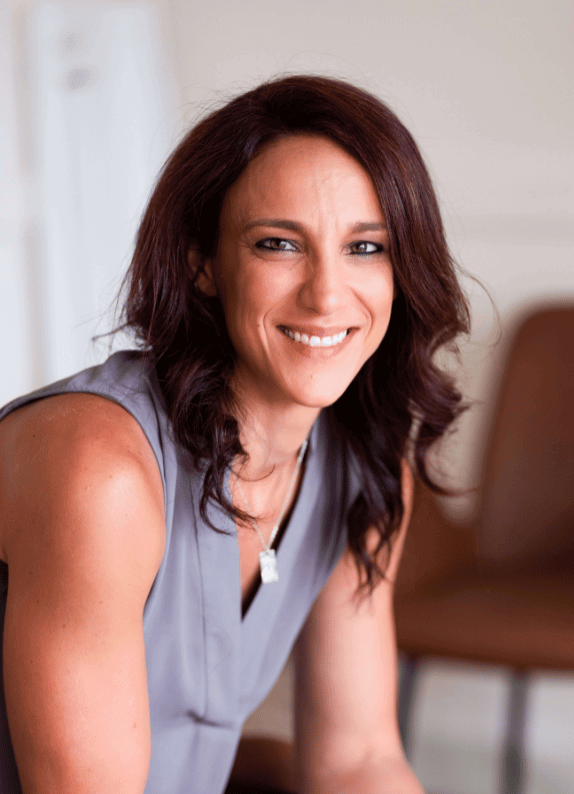

Lisa Wajsblat, PsyD, BCBA


We equip parents with the tools to truly understand the building blocks of child development and how secure relationships form and thrive.
With this knowledge, parents are able to develop their own personal parenting frameworks so they can respond confidently and effectively to any challenge that comes along, resulting in families that are healthier, calmer, and more connected with one another.